I never planned on having children.
It was not something I desired. I'm not a kid person. I don't dislike children. I'm just not a kid person. A year ago, the thought of holding a baby made me balk. Whenever there are children in the room, I'm polite to them and I think they're super cute, but I don't really interact with them unless necessary.
That's just me.
Last year, my dad spooked me by telling me he thought birth control pills cause breast cancer. He's in the cancer field and he had studies and his own speculation to back it up. I freaked out.
That same week, I underwent a scan at the doctor's office which revealed my body probably didn't want kids either. My doctor told me that my chances of conceiving a child naturally were slim to none. She told me when I decided to start a family one day, I needed to make an appointment with her to discuss my options. I wasn't upset. I just shrugged and said "okay" and went on with my life.
Less than a year later, Neill arrived.
I love Neill. He's a part of me. I can't imagine life without him. I went from being completely clueless about babies to kind of knowing what I'm doing. That's a big step for me. I'm also looking forward to when he's a kid. Because even though I'm not a kid person, I'm a Neill person. I can't wait to learn more about him. Discover his interests. See his personality. Play with him.
He's my favorite person in the world and I feel like the luckiest woman in the world to be his mom.
Sometimes I feel guilty though. One of the main reasons I never desired children in the past is because I didn't think it was fair to bring more people into this world. There are already too many people. There is so much unhappiness. There is violence everywhere. People starving.
And don't even get me started on the war against the LGBT community taking place right now. I don't know if Neill is gay. If he is, obviously that's fine with me and Rian. But it would break my heart for him to experience hatred and discrimination and ignorance just for being who he is. Will acceptance be better by the time Neill is an adult? I don't know.
I have so many anxieties for Neill. I worry about bullies. I worry about injuries. I worry about everything that is going to happen and everything that probably won't.
People tell me I should live in the moment, enjoy Neill while he's a sweet little bundle of joy. They tell me I shouldn't worry so much about the future, because that just eats up precious brain matter.
It's not that easy. I can't just turn off my fears. I can't switch off the guilt.
I honestly don't think the anxiety is ever going to go away. Like, I really think I'm still going to feel overprotective about Neill when he's a middle-aged man.
I guess this is motherhood?
Thursday, November 13, 2014

Thursday, November 6, 2014
I'm the best mom in the world! (but you're not)
I've learned a lot of things in the past year. Most of those things involve bodily fluids.
But one thing I was shocked to learn is one thing that shouldn't have really shocked me at all:
Mean girls grow up to be mean moms.
(Moms who are mean to other moms).
It's as competitive and catty as high school, except uglier and colder. Because it involves your children.
I came across this creepy phenomenon the moment I got pregnant. You see, I had turned to the internet for help. I knew nothing about babies. I didn't really have a support network of moms-to-be around me. I wanted to be a part of a community of women who understood what I was going through. And maybe make some friends in the process.
On Facebook, there are hundreds of pregnancy/motherhood pages. And in the past year, I have seen five major ones get shut down. All because of mommy-shamers.

What are mommy-shamers? They are:
Moms who call each other nasty names. Moms who criticize other moms for not doing things "the right way." Moms who think they know more than any other mom in the history of mankind. Moms who are, to put it bluntly, just bitches.
On the internet, mommy-shamers (much like trolls) are brazen behind the safety net of a computer screen.
On a Facebook page, a mom will write a question, seeking advice from other moms. In most cases it's something benign, like "Is it okay to give my four-month-old water?"
Some responses will be normal. "I don't think babies under six months should be given water. My pediatrician warned me against it because water can affect how the baby digests milk or formula."
Helpful, right?
Then, come the mommy-shamers: "OH MY GOD, ARE YOU RETARDED? THIS IS YOUR FIRST CHILD, RIGHT? NEVER GIVE A BABY WATER! YOU WILL PUT HIM IN THE EMERGENCY ROOM! WHAT KIND OF MOTHER ARE YOU????"
Or, the question might be: "After a six-week-long maternity leave, I'm heading back to work next week. Any advice for full-time moms?"
Normal responses will involve breast-pumping tips and how to find the right child-care provider.
Mommy-shamers: "YOU'RE GOING BACK TO WORK AND YOU'RE GOING TO ABANDON YOUR BABY?! HOW COULD YOU? I COULD NEVER LEAVE MY CHILD IN THE HANDS OF STRANGERS FOR SOME STUPID JOB! PLEASE RETHINK YOUR DECISION. YOU WILL NEVER GET THESE PRECIOUS MOMENTS WITH YOUR NEWBORN EVER AGAIN!"
Etc.
But the mommy-shaming isn't just online. It's in person. Well-meaning friends and acquaintances, and even strangers, think it is of the upmost importance to tell you how to raise your baby.
Breast is best! If you give your child formula, you might as well pack your bags, because you're going to hell.
Vaccinations are the devil's autism juice.
Circumcision is CHILD ABUSE.
Etc.
Fortunately, I haven't been subjected to that extreme kind of mommy-shaming (knock on wood). But just witnessing it everyday on forums is enough for me. It's the main reason I have been too terrified to post anything in any forum anywhere.
Being a bitch in high school is bad enough. But at least your excuse is, um, you're in high school. When you're an adult and have children, there is NO excuse.
It's even harder when mommy-shamers do it unintentionally. They genuinely think they're being helpful by offering (unsolicited) motherly advice.
When Neill was two months old, I was sitting in an auto shop waiting room, feeding Neill a bottle (I'm not comfortable breast-feeding in public yet). The receptionist in the waiting room walked up to me and told me I was using the wrong brand of bottle. "All three of my children used Playtex bottles," she told me. "Honey, you need to switch. You're not doing your baby any service using Dr. Brown bottles."
Um, what?
When Neill was three months old, I was in line at the craft store and he started wailing. The mother in front of me turned around and glared at me. "You're not feeding your baby enough if he's screaming like that," she sneered.
Excuse me?
And finally, last week, I was at the grocery store when I walked by the elderly woman who passes out samples. After cooing over Neill, she glanced into my cart and told me, "You need to put that carton of ice cream back in the freezer section, darling. Sweets aren't good to be eating when you're feeding that little baby! Shame on you!"
She literally mommy-shamed me. Er, grandma-shamed me?
Anyway, it made me go from a beaming new mom to a beet red buffoon. I was embarrassed and I couldn't come up with a good comeback right away because I've given most of my brain cells to my child.
Why can't mothers just be supportive of other mothers?
New moms are already so fragile, clumsily learning the ropes of child-rearing through sleep-thirsty eyes. We don't need you to chastise us on what worked for you. Because what worked for you might not work for me. Every mother and child and situation is different.
Don't make us feel bad, when we already have the harshest critic breathing down our necks: ourselves.
But one thing I was shocked to learn is one thing that shouldn't have really shocked me at all:
Mean girls grow up to be mean moms.
(Moms who are mean to other moms).
It's as competitive and catty as high school, except uglier and colder. Because it involves your children.
I came across this creepy phenomenon the moment I got pregnant. You see, I had turned to the internet for help. I knew nothing about babies. I didn't really have a support network of moms-to-be around me. I wanted to be a part of a community of women who understood what I was going through. And maybe make some friends in the process.
On Facebook, there are hundreds of pregnancy/motherhood pages. And in the past year, I have seen five major ones get shut down. All because of mommy-shamers.
What are mommy-shamers? They are:
Moms who call each other nasty names. Moms who criticize other moms for not doing things "the right way." Moms who think they know more than any other mom in the history of mankind. Moms who are, to put it bluntly, just bitches.
On the internet, mommy-shamers (much like trolls) are brazen behind the safety net of a computer screen.
On a Facebook page, a mom will write a question, seeking advice from other moms. In most cases it's something benign, like "Is it okay to give my four-month-old water?"
Some responses will be normal. "I don't think babies under six months should be given water. My pediatrician warned me against it because water can affect how the baby digests milk or formula."
Helpful, right?
Then, come the mommy-shamers: "OH MY GOD, ARE YOU RETARDED? THIS IS YOUR FIRST CHILD, RIGHT? NEVER GIVE A BABY WATER! YOU WILL PUT HIM IN THE EMERGENCY ROOM! WHAT KIND OF MOTHER ARE YOU????"
Or, the question might be: "After a six-week-long maternity leave, I'm heading back to work next week. Any advice for full-time moms?"
Normal responses will involve breast-pumping tips and how to find the right child-care provider.
Mommy-shamers: "YOU'RE GOING BACK TO WORK AND YOU'RE GOING TO ABANDON YOUR BABY?! HOW COULD YOU? I COULD NEVER LEAVE MY CHILD IN THE HANDS OF STRANGERS FOR SOME STUPID JOB! PLEASE RETHINK YOUR DECISION. YOU WILL NEVER GET THESE PRECIOUS MOMENTS WITH YOUR NEWBORN EVER AGAIN!"
Etc.
But the mommy-shaming isn't just online. It's in person. Well-meaning friends and acquaintances, and even strangers, think it is of the upmost importance to tell you how to raise your baby.
Breast is best! If you give your child formula, you might as well pack your bags, because you're going to hell.
Vaccinations are the devil's autism juice.
Circumcision is CHILD ABUSE.
Etc.
Fortunately, I haven't been subjected to that extreme kind of mommy-shaming (knock on wood). But just witnessing it everyday on forums is enough for me. It's the main reason I have been too terrified to post anything in any forum anywhere.
Being a bitch in high school is bad enough. But at least your excuse is, um, you're in high school. When you're an adult and have children, there is NO excuse.
It's even harder when mommy-shamers do it unintentionally. They genuinely think they're being helpful by offering (unsolicited) motherly advice.
When Neill was two months old, I was sitting in an auto shop waiting room, feeding Neill a bottle (I'm not comfortable breast-feeding in public yet). The receptionist in the waiting room walked up to me and told me I was using the wrong brand of bottle. "All three of my children used Playtex bottles," she told me. "Honey, you need to switch. You're not doing your baby any service using Dr. Brown bottles."
Um, what?
When Neill was three months old, I was in line at the craft store and he started wailing. The mother in front of me turned around and glared at me. "You're not feeding your baby enough if he's screaming like that," she sneered.
Excuse me?
And finally, last week, I was at the grocery store when I walked by the elderly woman who passes out samples. After cooing over Neill, she glanced into my cart and told me, "You need to put that carton of ice cream back in the freezer section, darling. Sweets aren't good to be eating when you're feeding that little baby! Shame on you!"
She literally mommy-shamed me. Er, grandma-shamed me?
Anyway, it made me go from a beaming new mom to a beet red buffoon. I was embarrassed and I couldn't come up with a good comeback right away because I've given most of my brain cells to my child.
Why can't mothers just be supportive of other mothers?
New moms are already so fragile, clumsily learning the ropes of child-rearing through sleep-thirsty eyes. We don't need you to chastise us on what worked for you. Because what worked for you might not work for me. Every mother and child and situation is different.
Don't make us feel bad, when we already have the harshest critic breathing down our necks: ourselves.
Friday, October 31, 2014
I'm back!
I think it has been a year since I left. Strange.
I knew I was going to resume blogging after the pregnancy, but I wasn't sure when or where. I spent months wondering if I should jump-start this blog or simply start a new one.
After all, I've changed completely since last fall. I'm not the same person. I've gone through an emotional and physical transformation. I guess having another human being ripped from your body will do that to you. I also just think I've been forced to grow up the past year.
But in the end, I decided starting a new blog would be too exhausting. All my friends are here. I don't want to confuse my readers. My posts aren't going to be much different. This isn't all of the sudden going to turn into a I'm-just-another-cool-mom blog where I post organic gluten-free recipes and conduct detailed reviews of strollers. Well, maybe I would do a stroller review. If the stroller was free. (I'm still poor.)
Anyway, it just makes sense to stay.
I actually went back and read every single one of my previous posts. That's five years worth of blogging. Talk about cringe-worthy. It was like going back and reading my middle school diary. Lets just say stuff that happened in 2009 needs to stay in 2009, amiright?
I also categorized most of my posts (which you can view on my sidebar), so it's easier navigate in case you're looking for something specific. Another reason I decided to stay was because during my absence, I still had a lot of people commenting on old posts or stumbling across my blog by accident. It's eye-opening to realize something I wrote three years ago still touches people today.
Before I sign out for the night, I want to tell you about my son. He was born in July and his name is Neill. He's super cute and he likes to giggle when I say any word that starts with "p" like "pumpkin" or "poop." For some reason, he thinks it's hilarious, so I roll with it.
I debated about posting a photo of him here (I recently came across a story about creepy instagram trolls who steal photos of babies off blogs and pretend its theirs). But, you know what, screw them. I have hundreds of photos of Neill, so I'll let the internet have one.

That's my baby. He's going to be four months old in a week! Where does time go?!
I knew I was going to resume blogging after the pregnancy, but I wasn't sure when or where. I spent months wondering if I should jump-start this blog or simply start a new one.
After all, I've changed completely since last fall. I'm not the same person. I've gone through an emotional and physical transformation. I guess having another human being ripped from your body will do that to you. I also just think I've been forced to grow up the past year.
But in the end, I decided starting a new blog would be too exhausting. All my friends are here. I don't want to confuse my readers. My posts aren't going to be much different. This isn't all of the sudden going to turn into a I'm-just-another-cool-mom blog where I post organic gluten-free recipes and conduct detailed reviews of strollers. Well, maybe I would do a stroller review. If the stroller was free. (I'm still poor.)
Anyway, it just makes sense to stay.
I actually went back and read every single one of my previous posts. That's five years worth of blogging. Talk about cringe-worthy. It was like going back and reading my middle school diary. Lets just say stuff that happened in 2009 needs to stay in 2009, amiright?
I also categorized most of my posts (which you can view on my sidebar), so it's easier navigate in case you're looking for something specific. Another reason I decided to stay was because during my absence, I still had a lot of people commenting on old posts or stumbling across my blog by accident. It's eye-opening to realize something I wrote three years ago still touches people today.
Before I sign out for the night, I want to tell you about my son. He was born in July and his name is Neill. He's super cute and he likes to giggle when I say any word that starts with "p" like "pumpkin" or "poop." For some reason, he thinks it's hilarious, so I roll with it.
I debated about posting a photo of him here (I recently came across a story about creepy instagram trolls who steal photos of babies off blogs and pretend its theirs). But, you know what, screw them. I have hundreds of photos of Neill, so I'll let the internet have one.
That's my baby. He's going to be four months old in a week! Where does time go?!
Wednesday, February 19, 2014
Since I've been gone...
I fell off the grid.
I thought it would be fitting to come back here this afternoon, seven days after my blog's five year anniversary.
You see, back in November, my life kind of turned upside down. I was already incredibly unhappy at the time. My depression has snowballed over the past few years. I stopped being interested in things that interest me. I had no desire to write anymore. To read books from my favorite authors. To even hang out with friends very much. Nothing inspired me.
Then, I found out by accident that I'm pregnant.
I was covering a city council meeting and right when the big issue came up, which was supposed to be my big story, I ran to the bathroom and threw up for more than an hour. I thought I was dying.
My dad took me to the hospital. We found out that I wasn't dying, but in fact doing the opposite by creating life.
Since Rian still has another semester of graduate school left and he's living on campus two hours away, I gave up my apartment and moved back in with my parents so I could use my measly freelance journalist paycheck to pay off my debt and save up for my inevitable medical expenses.
It has been a huge shock and it took me several months to come to terms with my situation. I found out a little while ago that I'm having a boy. I'm due in late June or early July.
Well, now that the shock has worn off and the distraction is no longer a novelty, I'm back to facing my pre-pregnancy demons.
I need inspiration. I long for creativity. I wish I could regain that passion I used to have for, well, anything.
But instead, I go through the motions of everyday life. I do my job. I watch television. I spend most of my time staring into space, not really thinking about anything until I realize half the day is gone.
Exciting, eh?
What do you do when you need to get out of a slump? When you seek creative inspiration? When you want to jumpstart your ambitions?
I thought it would be fitting to come back here this afternoon, seven days after my blog's five year anniversary.
You see, back in November, my life kind of turned upside down. I was already incredibly unhappy at the time. My depression has snowballed over the past few years. I stopped being interested in things that interest me. I had no desire to write anymore. To read books from my favorite authors. To even hang out with friends very much. Nothing inspired me.
Then, I found out by accident that I'm pregnant.
I was covering a city council meeting and right when the big issue came up, which was supposed to be my big story, I ran to the bathroom and threw up for more than an hour. I thought I was dying.
My dad took me to the hospital. We found out that I wasn't dying, but in fact doing the opposite by creating life.
Since Rian still has another semester of graduate school left and he's living on campus two hours away, I gave up my apartment and moved back in with my parents so I could use my measly freelance journalist paycheck to pay off my debt and save up for my inevitable medical expenses.
It has been a huge shock and it took me several months to come to terms with my situation. I found out a little while ago that I'm having a boy. I'm due in late June or early July.
Well, now that the shock has worn off and the distraction is no longer a novelty, I'm back to facing my pre-pregnancy demons.
I need inspiration. I long for creativity. I wish I could regain that passion I used to have for, well, anything.
But instead, I go through the motions of everyday life. I do my job. I watch television. I spend most of my time staring into space, not really thinking about anything until I realize half the day is gone.
Exciting, eh?
What do you do when you need to get out of a slump? When you seek creative inspiration? When you want to jumpstart your ambitions?
Saturday, November 9, 2013
Choose Your Own Chick-Lit Adventure!

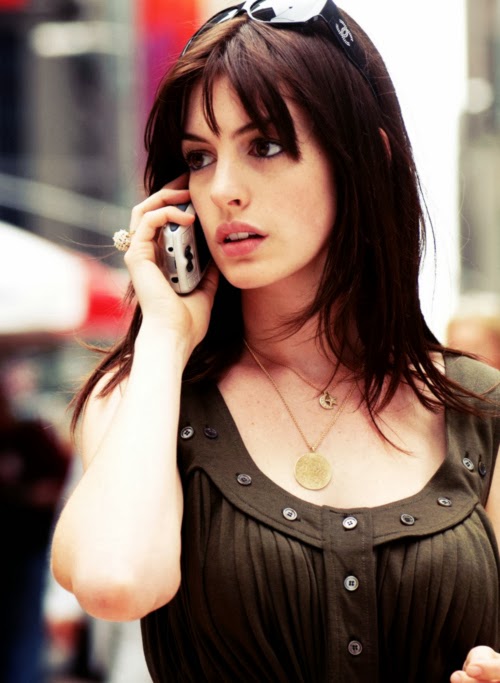
Have you ever wanted to write your very own chick lit novel? Have you ever dreamed of being the next Sophie Kinsella or Jennifer Weiner? Well, guess what. You can be! Your hand-crafted chick lit novel is only one simple little recipe away.
I've provided all the main ingredients. The rest is up to you! Have fun!
What is your heroine's name?
A. Emma
B. Jane
C. Elizabeth
D. Sophie

Where does she live?
A. London
B. New York City
C. Los Angeles
D. Toronto

A. Journalist
B. Publicist
C. Fashion Blogger
D. Casting Agent

Who is her sidekick?
A. Fabulous gay bestie! (he's a hair stylist)
B. Straight male best friend (your heroine has known him her entire life, but would NEVER fall in love with him...or would she?)
C. Chubby female best friend who is married with two young children (she envies your "glamorous" single life!)
D. Thin, sarcastic dark-haired best friend who is an attorney and dresses in all black (she's cynical of men and never wants children)

What is your heroine's main goal?
A. Fall in love
B. Get promoted
C. Be famous
D. Lose 20 pounds

Who is your heroine's enemy?
A. Her perfect, gorgeous engaged little sister (that spoiled brat!)
B. Her overbearing mother ("When are you going to get married? You're nearly 30!")
C. That tall ice-cold blonde bitch co-worker (she wants your job...and your man)
D. The ex-boyfriend (he cheated and now he wants a second chance? Yeah, right)

Who is your heroine's love interest?
A. Her hunky boss (he's sophisticated, charming, and filthy rich)
B. Her straight male best friend (she's adorably oblivious that he's her soul mate)
C. That annoying businessman who spilled coffee on her at Starbucks and now appears everywhere (she despises him and refuses to acknowledge that she's attracted to him)
D. That casually cute Jeep-driving vegan with moppy brown hair (he's secretly wealthy!)

What is your conflict?
A. Your heroine tells a little fib that snowballs into a hilarious avalanche of disasters!
B. It's a case of mistaken identity and your heroine doesn't realize it until its too late.
C. She's chasing after true love, without realizing it's right under her nose.
D. Fish out of water scenario! Your heroine is shipped off to a foreign country (or a different time period) and she has no idea what to do! Poor girl.

What is your book's ending?
A. She falls in love
B. She falls in love and gets promoted
C. She falls in love and gets married
D. She falls in love and gets pregnant (oooh, sequel alert!)

What is the title of your book?
A. Confessions of a Thirty-Something
B. A Chocoholic's Guide to Dating & Other Disasters
C. Must Love Martinis
D. Tripping in Heels
Now, tell me about your book!!
Monday, October 28, 2013
That One Word

He was the most physically perfect human I had ever seen in real life.
Yellow blonde hair. Baby blue eyes. A chiseled face that couldn't have turned out more beautiful had it been crafted by a meticulous sculptor.
But he was filled with hate.
In middle school, that hate was directed at me.

You see, Jake was the most popular boy in school. He was at the very top of the food chain. Even his cool friends didn't seem as cool as him. None of them, not even the beautiful cheerleaders, could match him in the looks department.
It was my first day of eighth grade. I had just transferred from another school. Because of our last names, Jake had to sit next to me in homeroom. He took one look at me and sneered, "I have to sit next to the squaw, great."
I was so stunned and mortified, I didn't even correct him that I wasn't Native American.

Jake seemed so repulsed by the mere presence of my face that he couldn't help his outbursts every time he saw me, whether it was in class or in the hallways.
I had dandruff. My long brown hair was ratty. I was weird. Shut up, what you are looking at squaw?
All his words.
Of course, I wasn't the only victim.
Other kids were disgusting for being "fat." Another girl had "Muppet lips." The boy sitting behind us in homeroom "smelled" because he was "poor."
Out of all his insults, the one that had the greatest and most long-lasting impression on me was when he glared in disgust at my face during homeroom one day and called me "ugly."
It broke my heart.

Nobody had ever called me that to my face before. It confirmed my biggest fear, the one gnawing at the back of my mind since elementary school. I was ugly.
It's amazing how one insult, no matter how untrue, becomes your truth. Your shrunken confidence allows it to scar you, to brand you.
A billion people afterwards could tell you you're the most beautiful woman in the world, but you'll never believe them. Because when you were 13, the most popular boy in school called you ugly. And you believed him first.

A year later, in high school, Jake and I didn't have any classes together and he eventually moved on to mocking the physically and mentally handicapped kids. When he passed me in the hallways, he pretty much forgot I even existed. I was relieved.
My dad's job was transferred to another state and I moved away at 16, never to see Jake again.
But I still see Jake's face and hear his words when I want to forget them. I don't believe people when they say I'm attractive. Instead, I see Jake telling me otherwise. Even now, in my late 20s.
I don't know what angers me more: the words themselves or that I allowed those words to destroy me.

I was visiting a childhood friend at the hospital a couple days ago. She had her appendix removed.
I was sitting by her bedside, reminiscing about people we used to know in middle school, when she suddenly exclaimed, "do you know about Jake?"
I looked up, startled.
"Know what?" I asked.
She pulled out her iPhone and showed me Jake's Facebook profile. I had never seen it before because, obviously, I would never friend request him.
I wouldn't have believed it if I hadn't seen it with my own eyes.
Jake is gay.
Not just gay, but he's an entire fruit salad.

Photos revealed him kissing a haughty looking male model next to a Fashion Week runway, drinking a pink cocktail on a sandy beach, and straddling a pole at a gay bar. His interests include "poodles," "fashion," and "cuddling." A status revealed he's "here and queer and you bitches better get used to it." He lives in New York City and he works for Vogue.
During high school, Jake always dated the cheerleaders. It never occurred to me that he really wanted the football players.
Seeing the de-closeted Jake in front of me, on that little screen, didn't change my opinion of him. That look, that mean streak, that blinding arrogance, remains in his icy blue eyes. He might be gay, but he's still Jake.

He's still the boy who ripped my heart out and left it bleeding in my hands with one little insult.
And I still haven't put it back.
I hope one day I do.
Because I want to believe I'm beautiful.
Friday, October 11, 2013
I've been exposed.
Several months ago, a blog friend of mine accidentally posted a link to his lingerie blog to his personal Facebook page.
It freaked him out so much, he deleted his entire blog. This was a good blog too. An encyclopedia of lingerie, I used to joke to him. It was one of the most impressive fashion blogs I knew. Several years had been put into it.
My friend had good reason to freak the fuck out. He was an alpha male with an explosive secret. If I remember correctly, only his wife knew about his guilty pleasure: wearing pantyhose underneath his jeans. His friends, his family, and his coworkers finding out about it? That would have ruined his life. I felt bad for him. While I was deeply saddened he was leaving the blogosphere, I understood he really didn't have a choice.
There's nothing like a cold splash of water in your face to wake you up.
Recently, I discovered that somebody I didn't want to find out about my blog found out about it.
Of course, my situation isn't as worrisome as my friend's. In fact, I really don't have a big secret to hide at all.
But my privacy has been compromised. A large group of people I didn't want to know my inner most thoughts now know this blog exists. My soul is exposed.
I have always been comfortable writing about my life on this blog. It's kind of like getting to be naked in public and not worrying about it. That feeling is incredible. It's freedom.
But now that feeling has been snuffed out. My privacy has been violated.
I suppose it's my fault. I started this blog anonymously, but with photos and stories and whatnot, it eventually got more personal. I kept that distance from any identification, however. But I grew careless. I linked it somewhere I really shouldn't have. Silly me.
It's the same mentality that has kept me from completing my memoir. Some of my stories are so intensely personal, so morbidly raw, that I can't bring myself to write them down next to my name. So I leave the book unfinished, sitting immobile in a folder on my laptop. I'm not ready to have everyone in my life exposed to everything in my life.
So, what do I do now? I thought seriously about deleting this blog. But that would be pointless. They've probably already read everything. And why should I delete something I'm proud of?
I've thought about abandoning this blog. My readership has dwindled significantly. I'm not passionate about doing biographies anymore. I already spend a lot of hours working on stories for a newspaper and getting paid shit for it. The thought of putting even more hours into a doomed starlet post, and not get paid anything for it, makes me want to vomit.
But a part of me is so attached to this blog. It's like my child. How can I give it up? I just can't. It makes me so sad to even think about it. Even if it has become a ghost town. Even if I don't post here very often anymore.
I really shouldn't let this group of people, who now know this blog exists, win. I mean, I need to stop giving a fuck what everyone in my life thinks about me. I need to have courage.
Because this is ME.
I shouldn't be ashamed of being human. Of having feelings and experiences and thoughts that aren't pure, perfect.
I'm a romantic. I'm a bitch. I'm a storyteller. I'm hurt. I'm exhausted.
But more importantly,
I'm hope.
It freaked him out so much, he deleted his entire blog. This was a good blog too. An encyclopedia of lingerie, I used to joke to him. It was one of the most impressive fashion blogs I knew. Several years had been put into it.
My friend had good reason to freak the fuck out. He was an alpha male with an explosive secret. If I remember correctly, only his wife knew about his guilty pleasure: wearing pantyhose underneath his jeans. His friends, his family, and his coworkers finding out about it? That would have ruined his life. I felt bad for him. While I was deeply saddened he was leaving the blogosphere, I understood he really didn't have a choice.
There's nothing like a cold splash of water in your face to wake you up.
Recently, I discovered that somebody I didn't want to find out about my blog found out about it.
Of course, my situation isn't as worrisome as my friend's. In fact, I really don't have a big secret to hide at all.
But my privacy has been compromised. A large group of people I didn't want to know my inner most thoughts now know this blog exists. My soul is exposed.
I have always been comfortable writing about my life on this blog. It's kind of like getting to be naked in public and not worrying about it. That feeling is incredible. It's freedom.
But now that feeling has been snuffed out. My privacy has been violated.
I suppose it's my fault. I started this blog anonymously, but with photos and stories and whatnot, it eventually got more personal. I kept that distance from any identification, however. But I grew careless. I linked it somewhere I really shouldn't have. Silly me.
It's the same mentality that has kept me from completing my memoir. Some of my stories are so intensely personal, so morbidly raw, that I can't bring myself to write them down next to my name. So I leave the book unfinished, sitting immobile in a folder on my laptop. I'm not ready to have everyone in my life exposed to everything in my life.
So, what do I do now? I thought seriously about deleting this blog. But that would be pointless. They've probably already read everything. And why should I delete something I'm proud of?
I've thought about abandoning this blog. My readership has dwindled significantly. I'm not passionate about doing biographies anymore. I already spend a lot of hours working on stories for a newspaper and getting paid shit for it. The thought of putting even more hours into a doomed starlet post, and not get paid anything for it, makes me want to vomit.
But a part of me is so attached to this blog. It's like my child. How can I give it up? I just can't. It makes me so sad to even think about it. Even if it has become a ghost town. Even if I don't post here very often anymore.
I really shouldn't let this group of people, who now know this blog exists, win. I mean, I need to stop giving a fuck what everyone in my life thinks about me. I need to have courage.
Because this is ME.
I shouldn't be ashamed of being human. Of having feelings and experiences and thoughts that aren't pure, perfect.
I'm a romantic. I'm a bitch. I'm a storyteller. I'm hurt. I'm exhausted.
But more importantly,
I'm hope.
Subscribe to:
Posts (Atom)